

Amazon attracted about $126 billion (£94bn) of peak demand for its bond sale on Tuesday, according to reports, marking one of the largest ever for a corporate offering. This strong demand comes amid broader economic turbulence and underscores the continued appetite for debt from large technology companies.
The bond sale is part of a broader trend among tech giants to tap debt markets to fund massive spending on artificial intelligence (AI) infrastructure. Oracle drew $129 billion in orders for a bond sale in February, while Meta raised $125 billion for its bond sale last October. These companies are racing to build and upgrade AI data centers, custom chips, and other advanced technologies.
Bond Sale Details
Amazon is planning to offer as many as 11 tranches on the US high-grade debt market, ranging from two to 50 years, and is also marketing an eight-part euro-denominated bond sale this week. The company previously raised $15 billion last November as part of its first US bond sale in three years. In comparison, Google parent Alphabet raised more than $30 billion in issuance across dollar, sterling, and Swiss franc denominated debt last month.
The surge in bond issuance by major technology firms reflects a strategic shift towards leveraging the relatively low cost of borrowing in the current interest rate environment. Despite recent rate hikes, corporate bonds offer attractive yields to investors, especially as tech companies have strong credit ratings and stable cash flows. Amazon, for instance, carries a credit rating of AA from S&P Global and Aa2 from Moody's, making its debt highly desirable.
Massive AI Spending
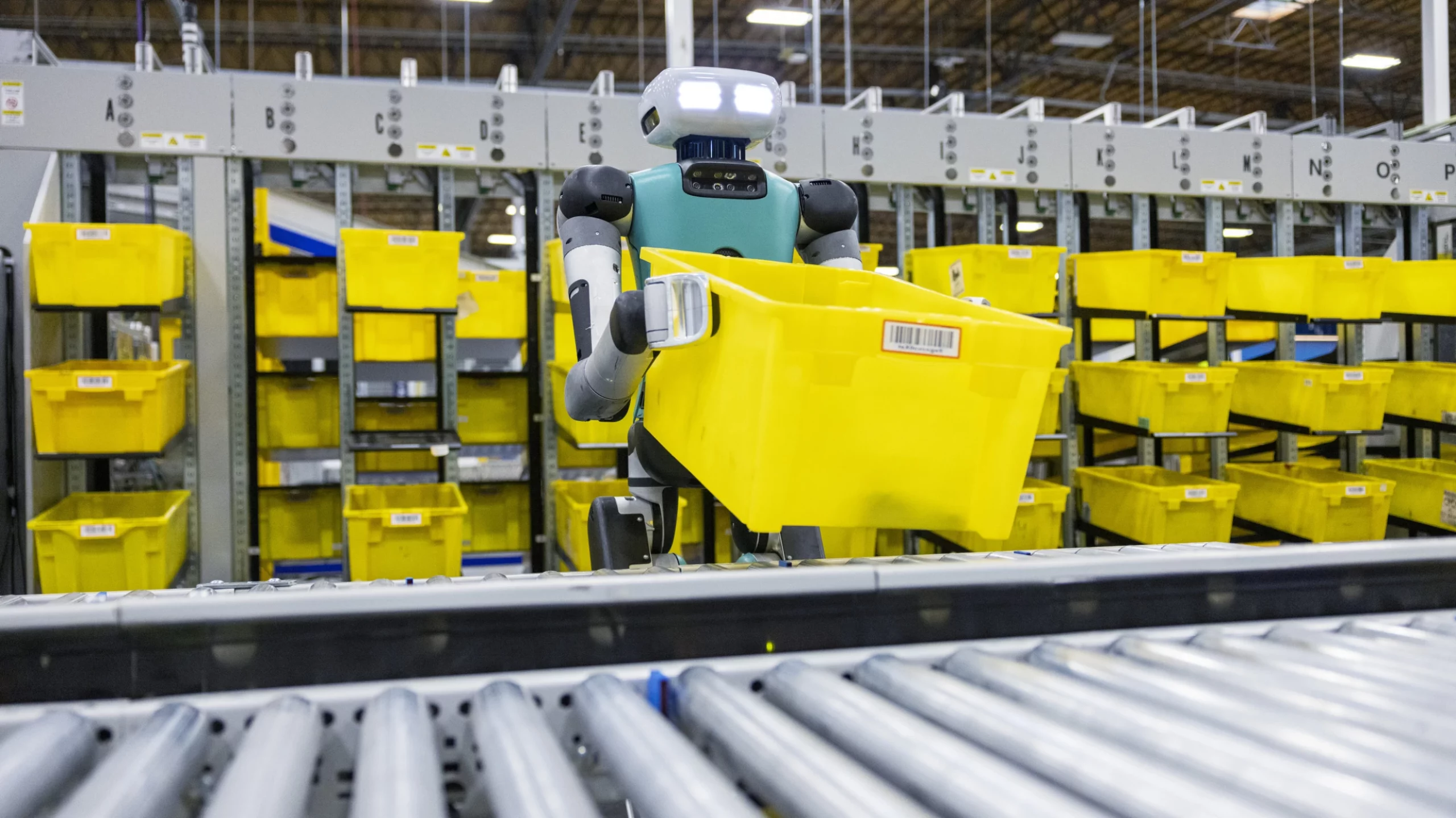
Amazon saw its shares fall in February after announcing plans to spend $200 billion on capital expenditures this year, mostly on AI infrastructure. This figure is higher than those of competitors Google and Microsoft, which have also ramped up spending on AI. The capital expenditure includes investments in custom AI chips (like Trainium and Inferentia), robotics for fulfillment centers, and low Earth orbit satellites for Project Kuiper.
The scale of Amazon's investment is unprecedented for the company. Historically, Amazon has focused on reinvesting profits into growth, but the rapid advancement of generative AI has forced the company to accelerate spending. Generative AI, which powers tools like ChatGPT and Amazon's own AI assistant, requires enormous computational resources, including specialized hardware and massive cloud infrastructure.
Investor Concerns and CEO Justification
Tech companies' continued AI spending has faced more difficult conditions this year, as investors look for more clarity around returns from unprofitable investments. The AI boom has led to a surge in costs, with companies like Amazon, Microsoft, and Google all reporting significant increases in capital expenditures. Investors are increasingly questioning whether the massive spending will translate into revenue growth and profitability.
Addressing these concerns, Amazon CEO Andy Jassy told investors on a company call, "We're going to invest to be the leader in this space." He justified the spending by highlighting Amazon's strategic focus on custom AI chips, robotics, and low Earth orbit satellites. Jassy emphasized that the investments are necessary to maintain Amazon's competitive edge in cloud computing (AWS) and to capitalize on the AI revolution.
Despite the short-term pressure on earnings, many analysts believe that Amazon's spending is justified given the long-term potential of AI. The company's cloud division, Amazon Web Services (AWS), is already the largest cloud provider, and expanding AI capabilities could further entrench its leadership. Additionally, AI-powered efficiencies in logistics and retail could drive cost savings and revenue growth.
Broader Market Trends
The bond market for high-grade corporate debt has been experiencing strong demand this year, driven by institutional investors seeking yield in a volatile rate environment. Tech companies, with their robust cash flows and growth prospects, are particularly attractive. The record demand for Amazon's bonds reflects confidence in the company's creditworthiness and its ability to generate future earnings from AI investments.
Amazon's bond sale also comes at a time when the overall market for corporate debt is being reshaped by AI-related spending. Companies across sectors, from healthcare to finance, are issuing bonds to fund AI initiatives, but none at the scale of the biggest tech firms. The ability of companies like Amazon to raise billions in debt quickly highlights the strong appetite for tech bonds, even amid geopolitical tensions and economic uncertainty.
In the long term, the success of Amazon's debt strategy will depend on the returns generated from its AI investments. If the company can monetize its AI capabilities through higher AWS revenue, improved operational efficiency, and new products, the debt will be easily serviced. However, if the AI bubble bursts or competition erodes margins, the debt burden could weigh on Amazon's financials.
The $126 billion in peak demand for Amazon's bond sale is a testament to the market's faith in the company's vision for AI. As the AI arms race intensifies, debt markets are likely to continue playing a crucial role in fueling the next wave of technological innovation.
Source: Silicon UK News